Roxbury Landing
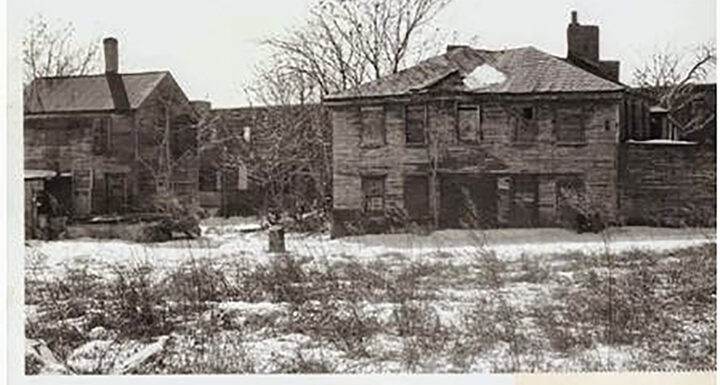
Landing Place at what is now 500 Parker Street was one of two public boat landing sites that served the town in colonial times. ln 1658, John Pierpont built a tidal mill here at the point where the Stony Brook emptied into the Tidal Basin. In 1821, the Mill Dam was built for power. The Sewall and Day Cordage Mill was built here in 1834, which became the largest manufacturer of rope used in maritime trades. On February 28, 1998, a historic marker was dedicated at 500 Parker Street in Roxbury by the Emerald Necklace Conservatory, The Bostonian Society, Massachusetts Historical Society, and Northeastern University. Read More →
Thank You, Boston
Thanks to a generous grant from the City of Boston Mayor’s Office of Arts and Culture COVID-19 Fund, RCHT is publishing a series of articles to introduce a resource guide of historic Roxbury, Massachusetts. This $1 million fund supports efforts to continue bringing arts programming and projects to Boston during this difficult time of uncertainty. RCHT hopes the Resource Guide through its inter-connected posts on various Roxbury subjects, visitors will develop a deeper appreciation of this rich town and neighborhood. The guide categories include people, places, events and artifacts within specific eras, areas and demographics. Local writers and historians who will contribute articles include ByronRead More →
John Eliot Burying Ground Historic District
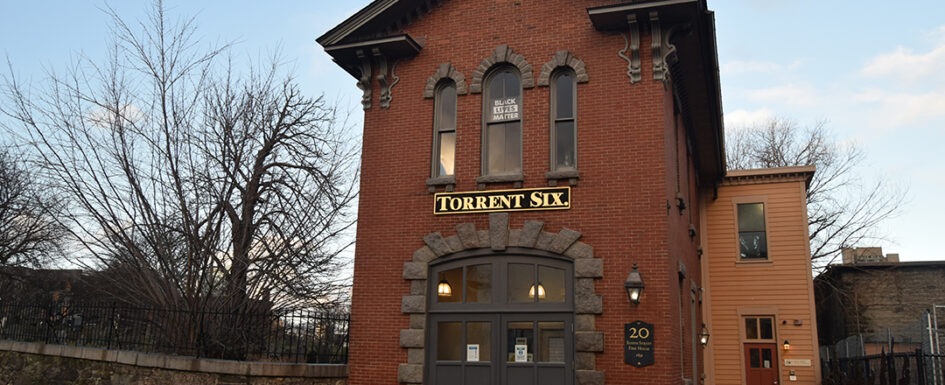
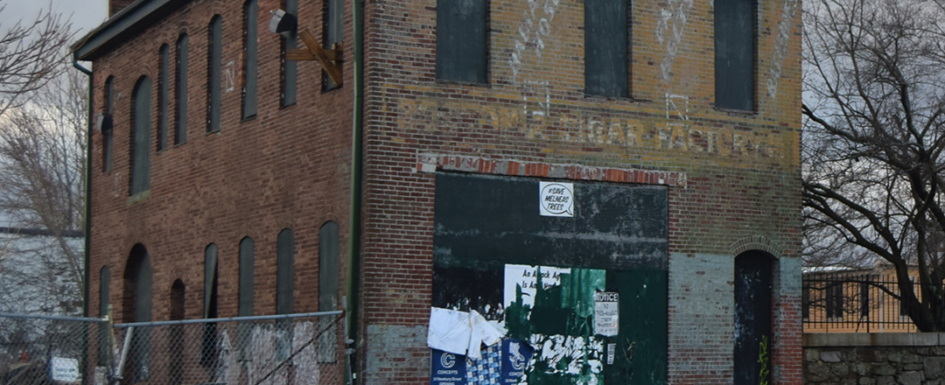
This post is an except from a 1978 proposal by Dr. Shirley Zavin, Executive Director of Boston 350. Historic Boston, Inc. has worked tirelessly over the years with developers on this parcel of land that includes the Nawn Factory, Eliot Burial Ground and Eustis Street Firehouse. Located at the interaction of Washington and Eustis Streets in Roxbury, the John Eliot Burying Ground Historic District preserves many important chapters of Boston’s history. Until 1786 and the building of the Charles River Bridge, Washington Street – then called Orange Street – was the only overland route from Boston to the mainland. In linking Roxbury and Boston, WashingtonRead More →
John Eliot Burying Ground: 1630
This post is an except from a 1978 proposal by Dr. Shirley Zavin, Executive Director of Boston 350.Historic Boston, Inc. has worked tirelessly over the years with developers on this parcel of land that includes the Nawn Factory, Eliot Burial Ground and Eustis Street Firehouse. The John Eliot Burying ground is one of the three oldest in Boston. The first recorded burial occurred in 1633: the oldest surviving stone is that of Rev. Samuel Danforth’s infant son, dated 1653. Buried there are many famous early Roxbury citizens, including John Eliot, minister of the First Church of Roxbury; Eliot’s translations of biblical texts into native AmericanRead More →
Jesse Doggett Tavern – Josiah Cunningham House
This post is an except from a 1978 proposal by Dr. Shirley Zavin, Executive Director of Boston 350.Historic Boston, Inc. has worked tirelessly over the years with developers on this parcel of land that includes the Nawn Factory, Eliot Burial Ground and Eustis Street Firehouse. The two woodframe, hip-roof Federal style houses at 2066 and 2070 Washington Street are the only remaining pre-19th century buildings on that street in Roxbury. The smaller house (2070 Washington street) was built ca. 1784 by the housewright Josiah Cunningham as his home and workshop. The larger house next door, which Cunningham built for his neighbor, Captain Jesse Doggett, ca. 1788, wasRead More →